Cluster Level Federation
Angara CLF
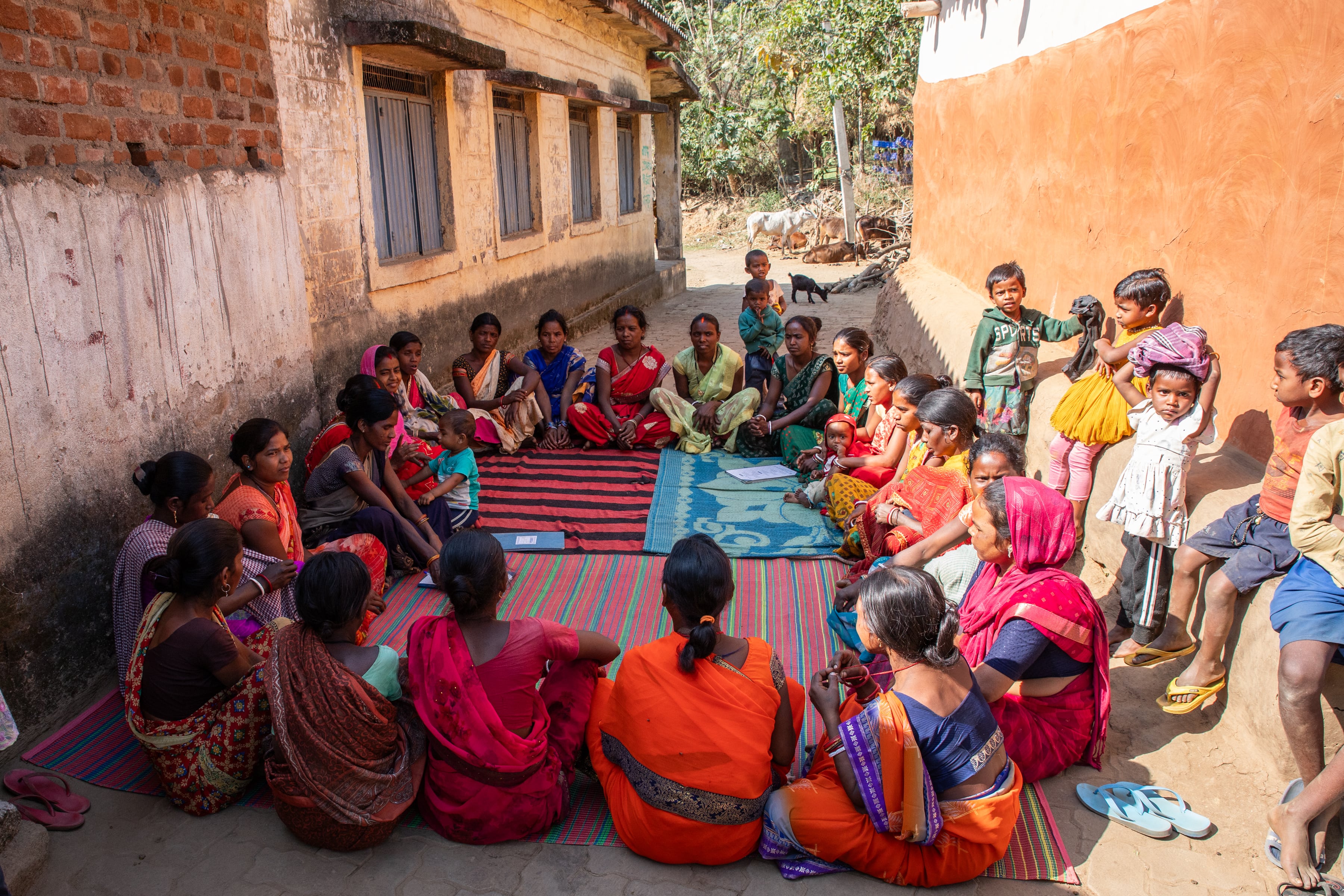
Singari CLF
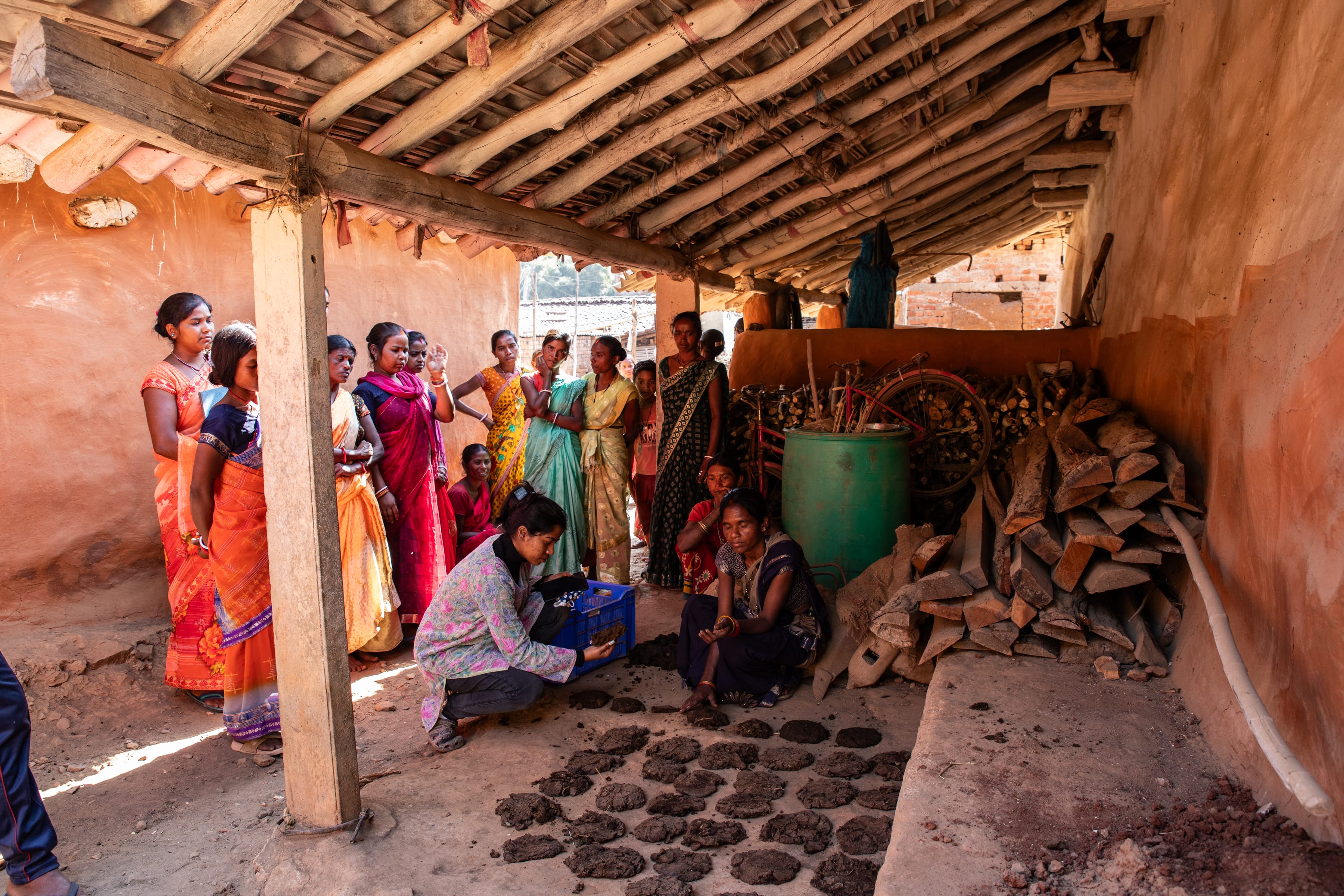

Jonha Panchayat, situated approximately 37km from Ranchi in Jharkhand, is renowned for its stunning natural landscapes and rich community life. The region predominantly speaks Hindi and is home to 6,566 residents across 1,165 households, with a vibrant youth population of 3,356. Governed as part of Angara block and including six revenue villages, the Panchayat holds social and economic significance in the area. Locally, Jonha is celebrated for its easily accessible tourist attractions, especially the iconic Jonha Falls and Sita Falls, which draw nature lovers, adventurers, and spiritual seekers alike. The Panchayat falls under the Ranchi assembly constituency and plays an active role in regional governance.
Geographically, Jonha Panchayat is set amidst rolling hills, dense forests, and green valleys, offering a blend of rural serenity and scenic charm. The population features a nearly balanced gender ratio—52.81% male and 47.19% female—and is primarily engaged in agriculture and livestock rearing, while some households participate in secondary and tertiary sectors. Community activities are coordinated through two Village Organizations and a network of local governance. The proximity to major attractions such as the Jonha Falls adds to its allure; Jonha Falls, also known as Gautamdhara, is a breathtaking waterfall that cascades from a height of about 43 meters, surrounded by lush vegetation, clear pools, and tranquil forest trails. Visitors can experience the roar of the falls, trek the scenic paths, watch a variety of birds, and visit the nearby Buddhist temple at Gautam Hill, which adds a spiritual dimension to the site
Jonha’s blend of natural wonders and vibrant local culture makes it an exceptional destination, ideal for relaxation as well as exploration, and a true testament to the beauty and vitality of rural Jharkhand.
Jonha Village Organisation
Dahua Village Organisation
Dokad Village Organisation
Lepsar Village Organisation
Jidu Village Organisation
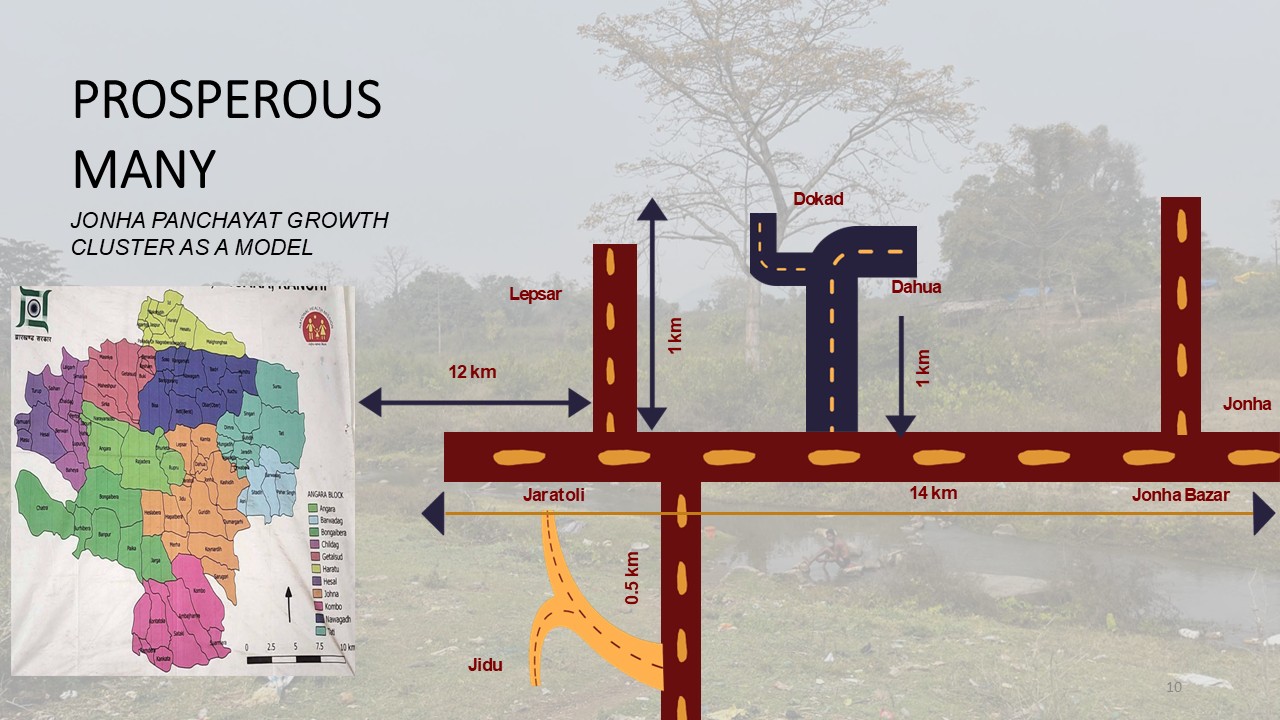
Jonha
Dahua
Dokad
Lepsar
Jaratoli
Jidu




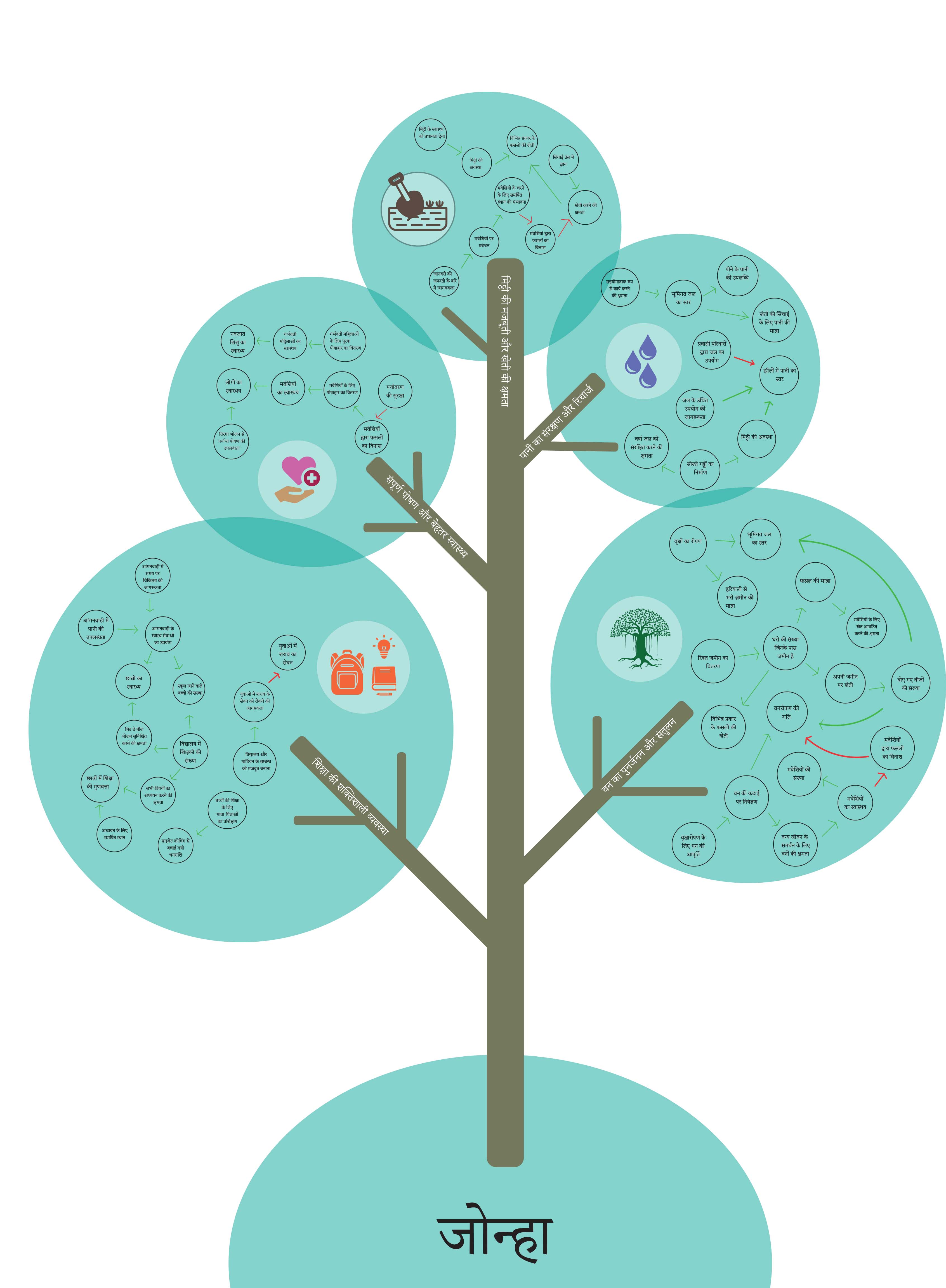
Virasat Samiti is a restructured and inclusive version of the Gram Panchayat Infrastructure and Development Standing Committee. It serves as a thought leadership and advisory body to drive holistic, inclusive, and sustainable development within the Panchayat, aligning closely with the Rural Economic Zone (REZ) vision. Comprising members from the Panchayat , youth groups, community-based organizations (CBOs), and local institutions, the committee ensures participatory planning, convergence of resources, and monitoring of infrastructure, livelihood, and service delivery initiatives. It holds monthly meetings, maintains transparency through formal procedures, has defined leadership roles, and mobilizes funds from government, private sector, and community contributions. With a strong focus on inclusion, sustainability, and accountability, Virasat Samiti aims to transform rural communities into thriving, equitable, and resilient local economies.
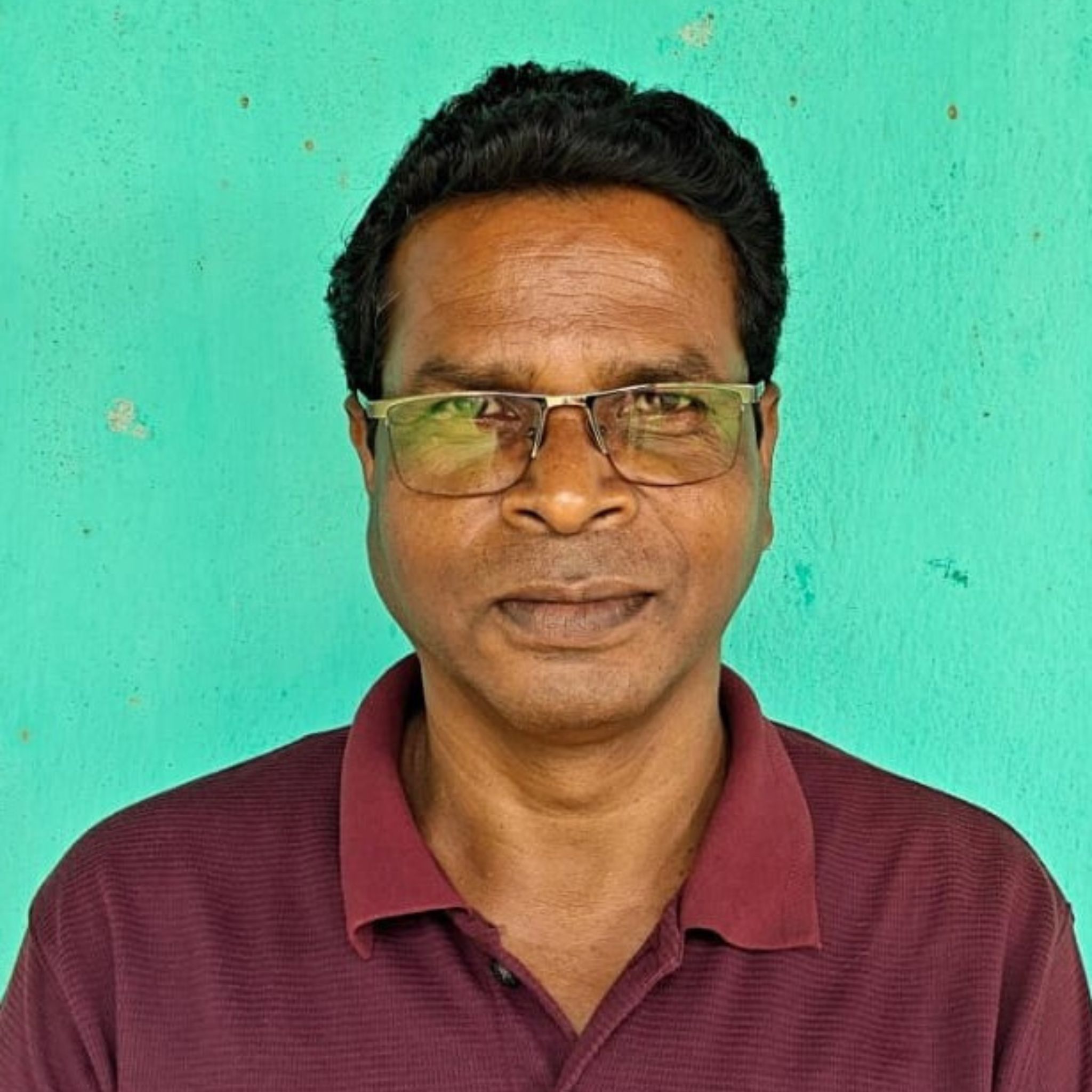
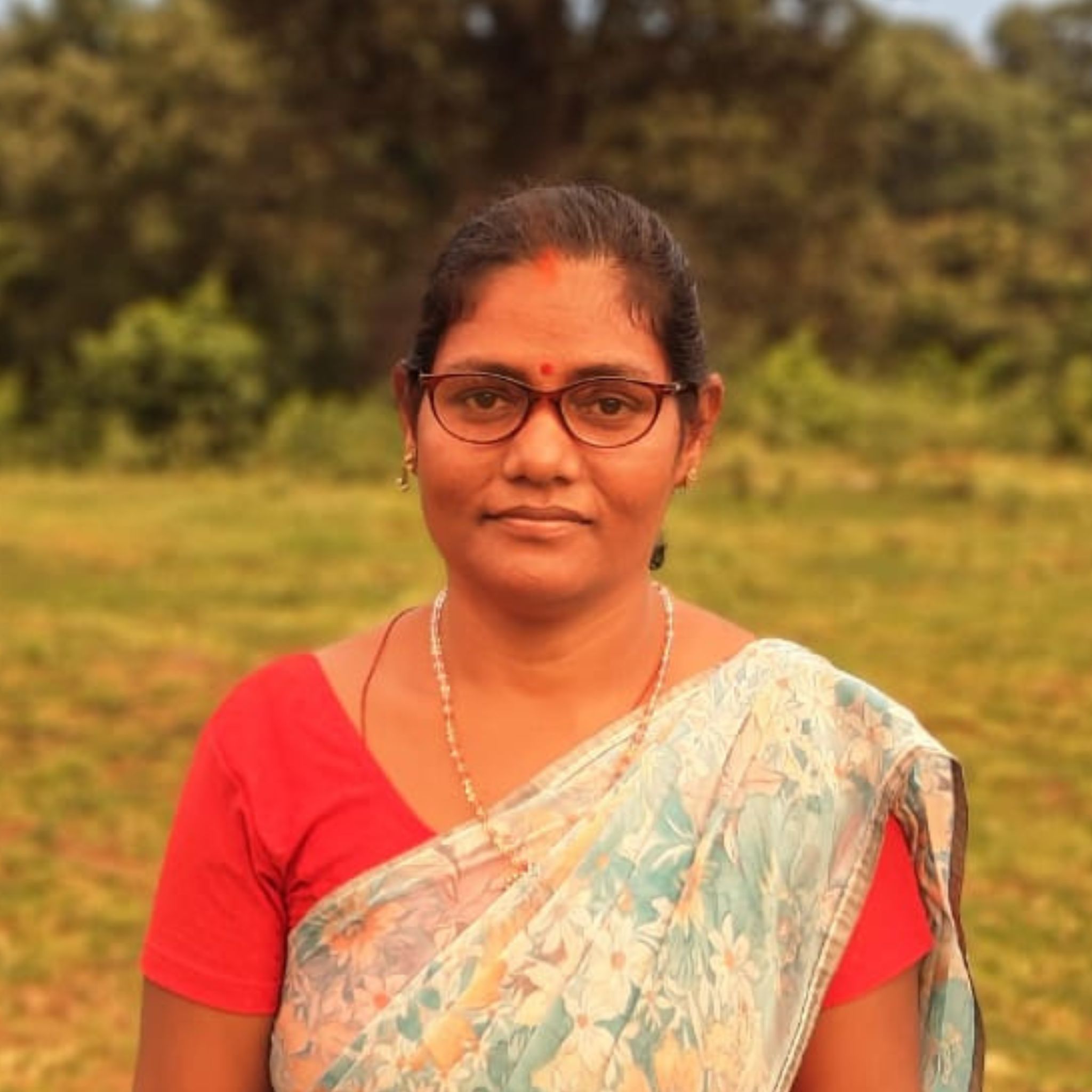
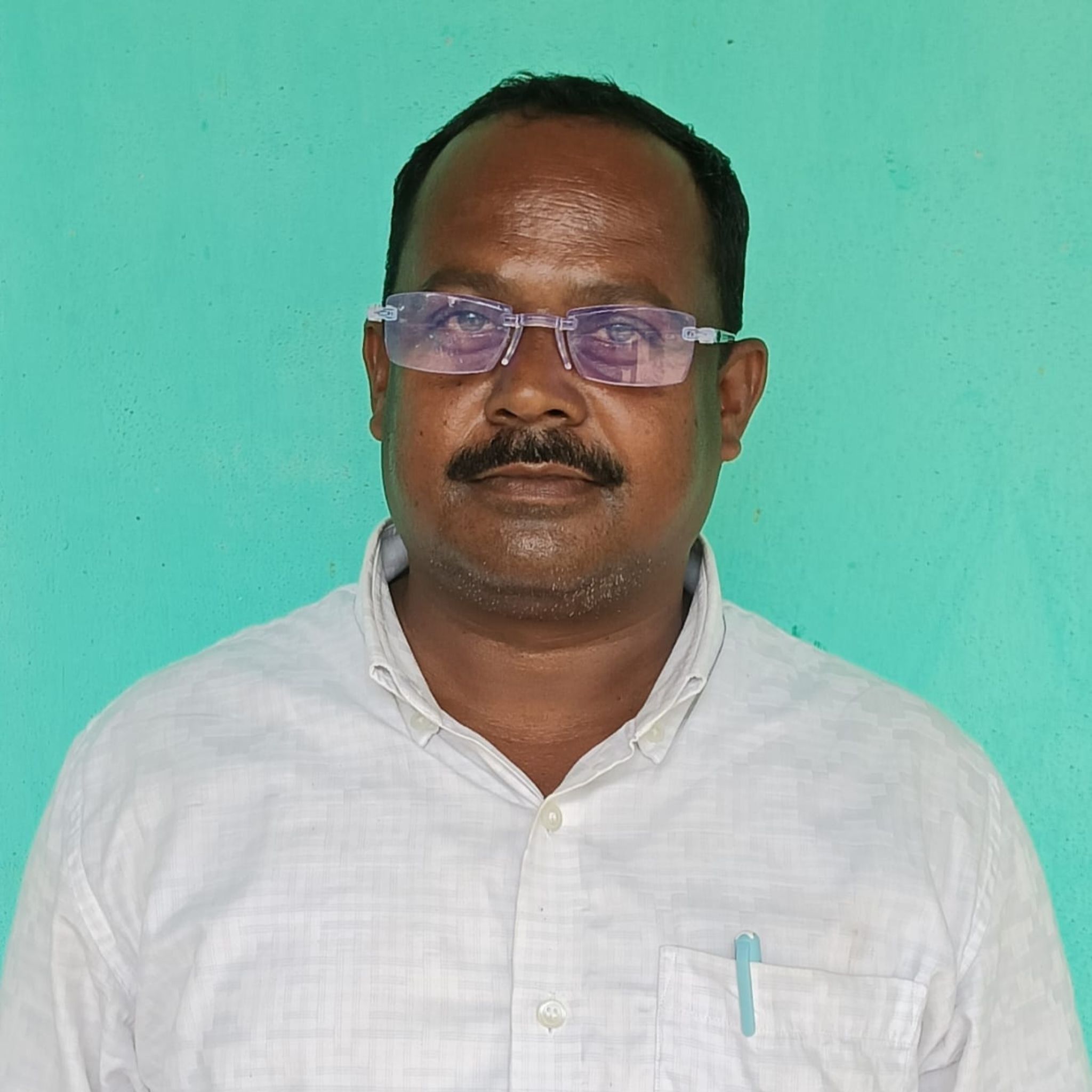
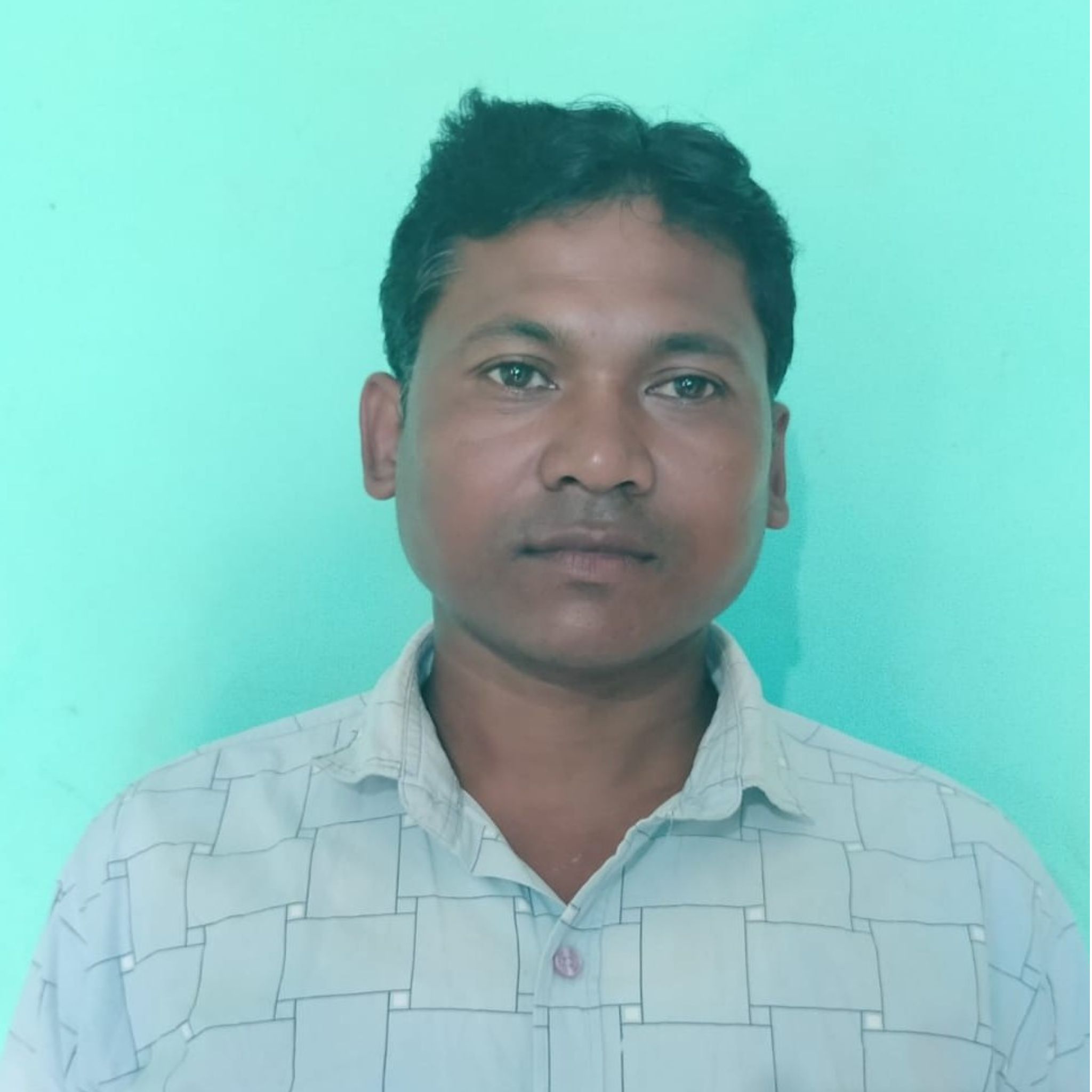
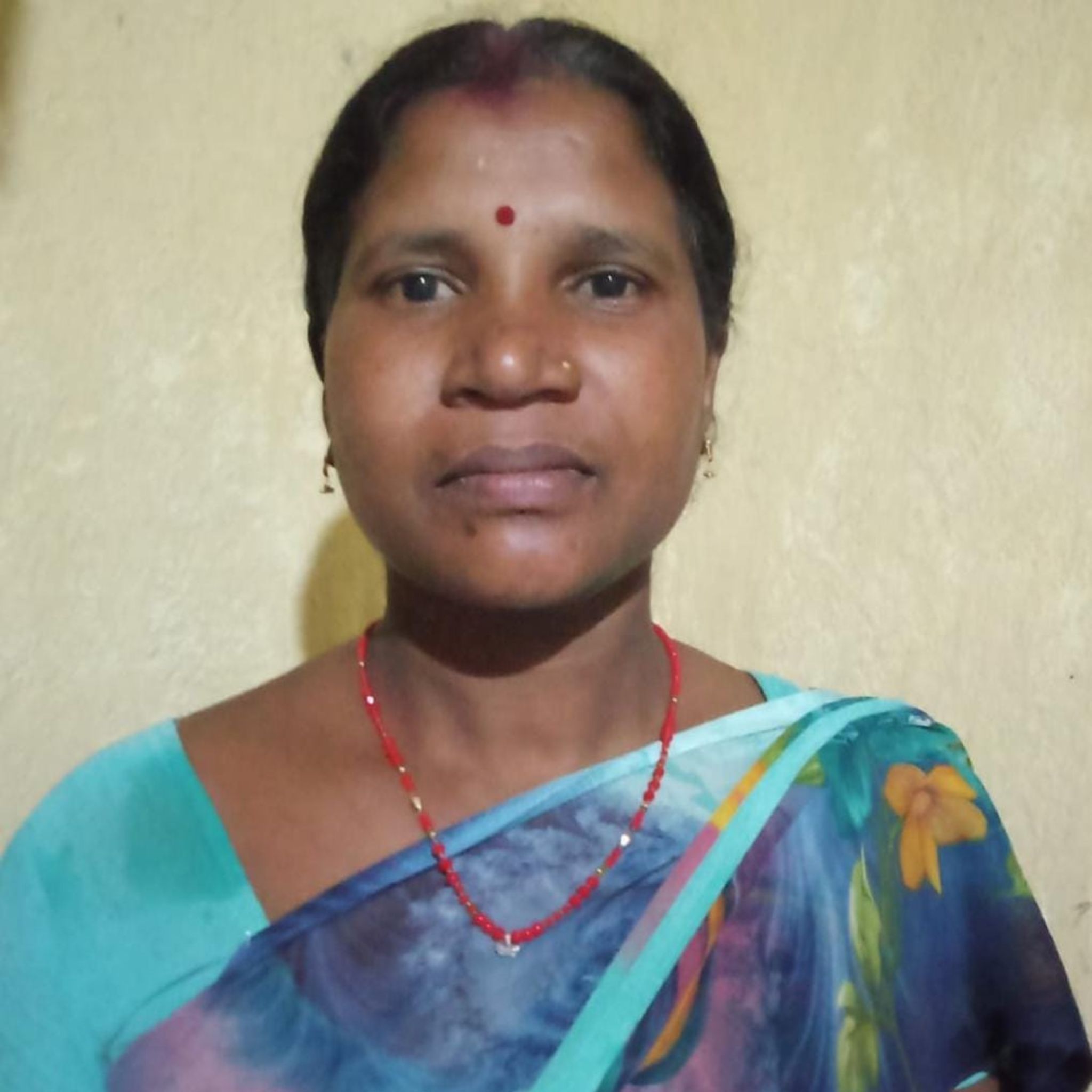
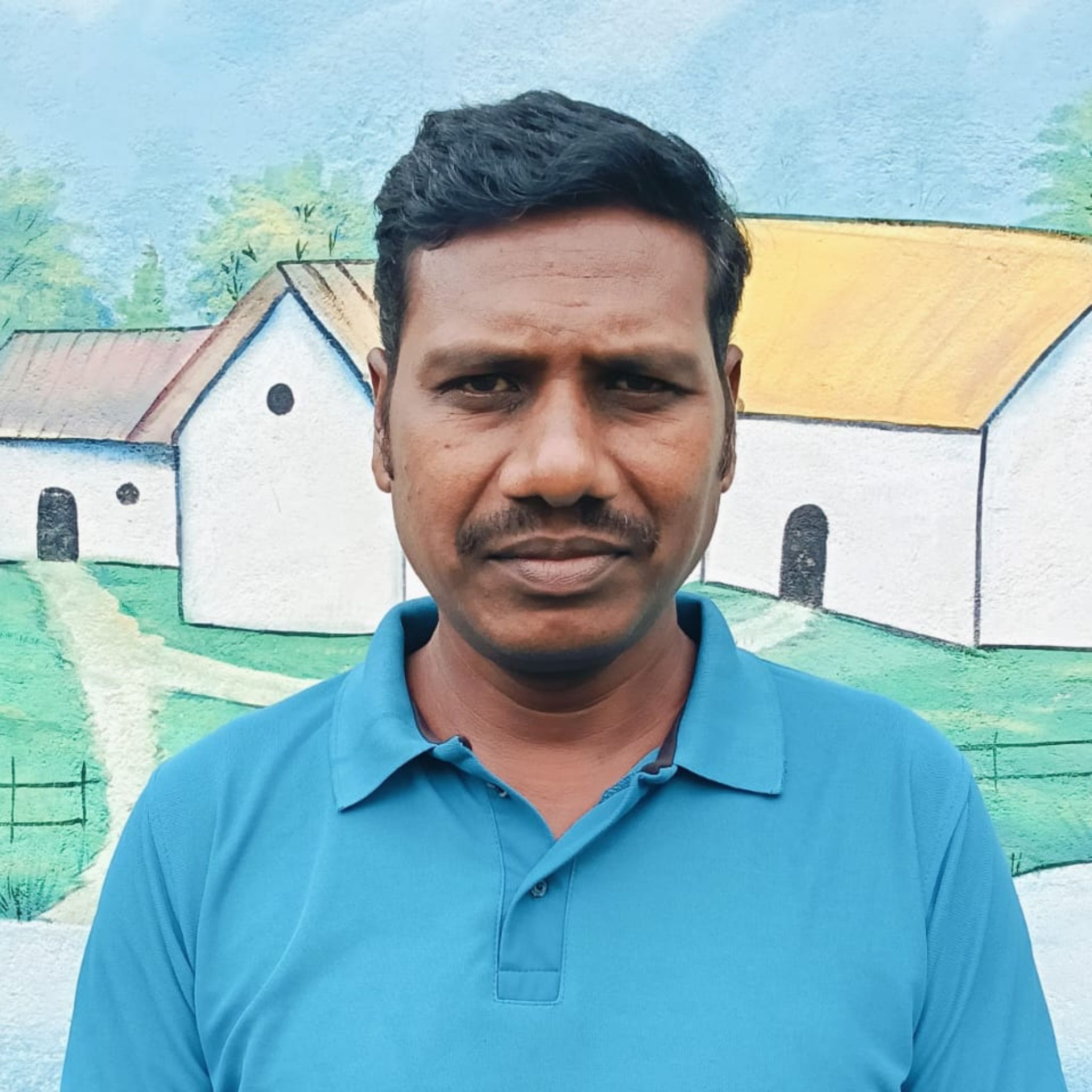
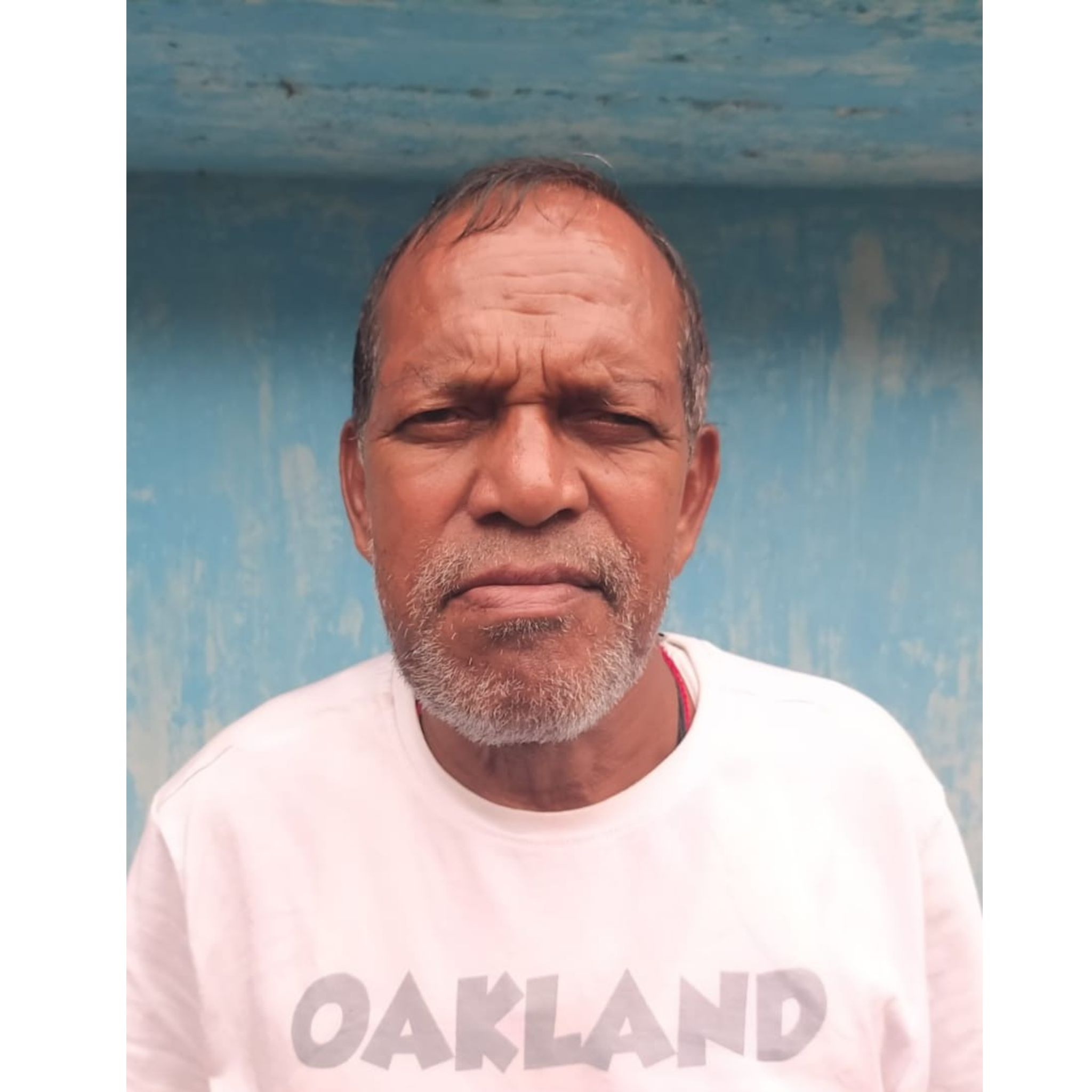
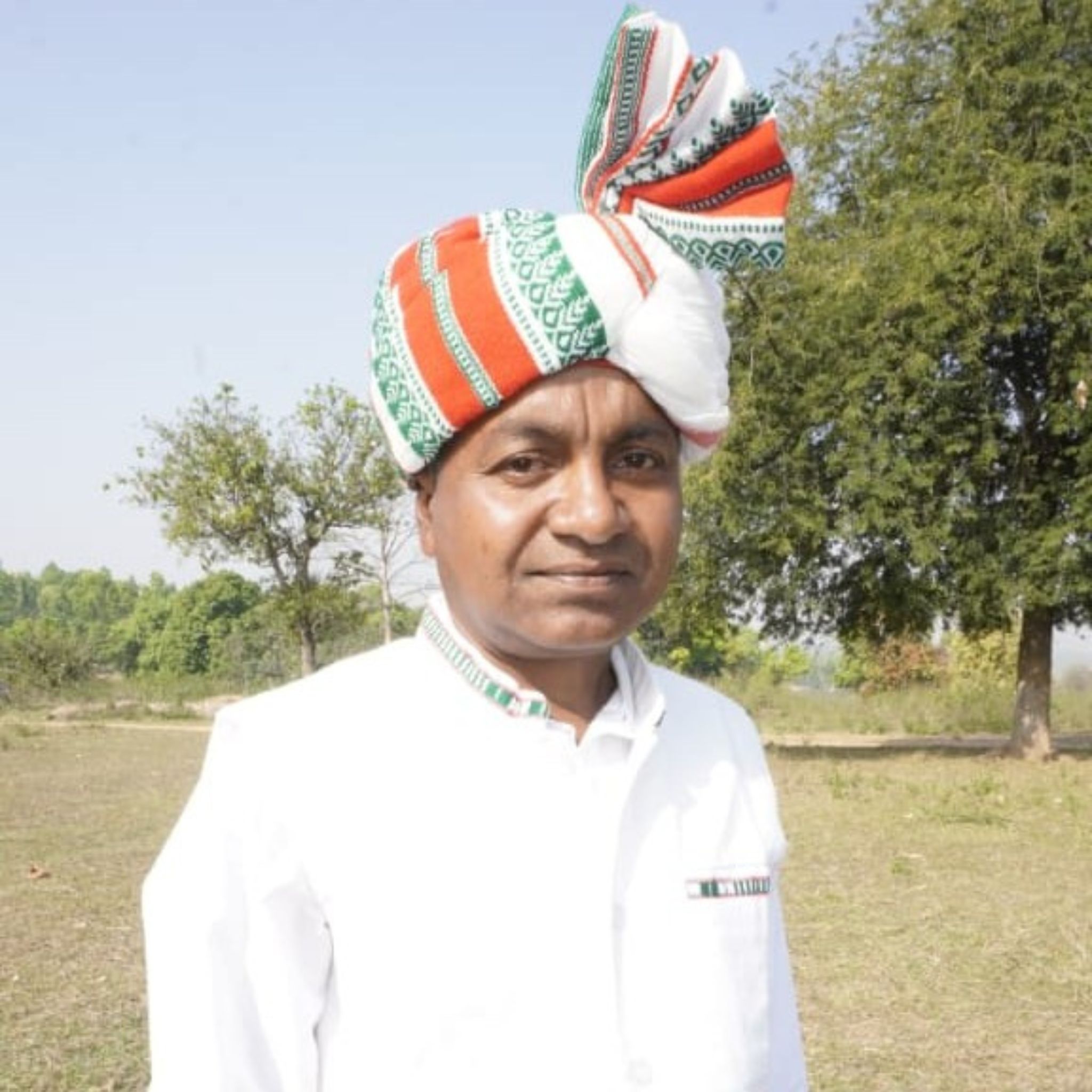

In the Rural Economic Zone (REZ) context, the Sidho-Kanho Yuva Khel Club (SKYKC) serves as a vital youth-led institutional platform to enhance youth participation in governance, livelihood, and socio-cultural development. Anchoring the principle of “For the Youth, By the Youth,” SKYKC plays a strategic role in mobilizing local youth to co-lead initiatives such as the Jonha Wow Hub, promote skill development, entrepreneurship, and local enterprise creation. It acts as a convergence point for youth voices and aspirations, aligning them with REZ goals of inclusive, sustainable, and economically vibrant rural communities. SKYKC facilitates leadership building, cultural preservation, sports promotion, and social reform, while ensuring governance accountability and asset management at the grassroots. Through its federated structure from village to district levels, it strengthens networks, fosters collaboration, and creates pathways for marginalized youth to participate meaningfully in the rural transformation agenda of the REZ.