Introduction

Jonha Panchayat, located in Angara Block, Ranchi District, Jharkhand, has been undergoing a multi-tiered rural economic transformation through the Locality Compact and Prosperous Many – Jonha Panchayat Growth Cluster frameworks. These initiatives are designed to create a self-sustaining, community-led economic model, empowering youth, women, and local institutions while integrating market-based solutions and government programs.
This report consolidates key findings from market surveys, youth and livelihood assessments, and progress so far, highlighting achievements, challenges, and strategic next steps.

LOCALITY COMPACT – Strengthening Rural Institutional Development

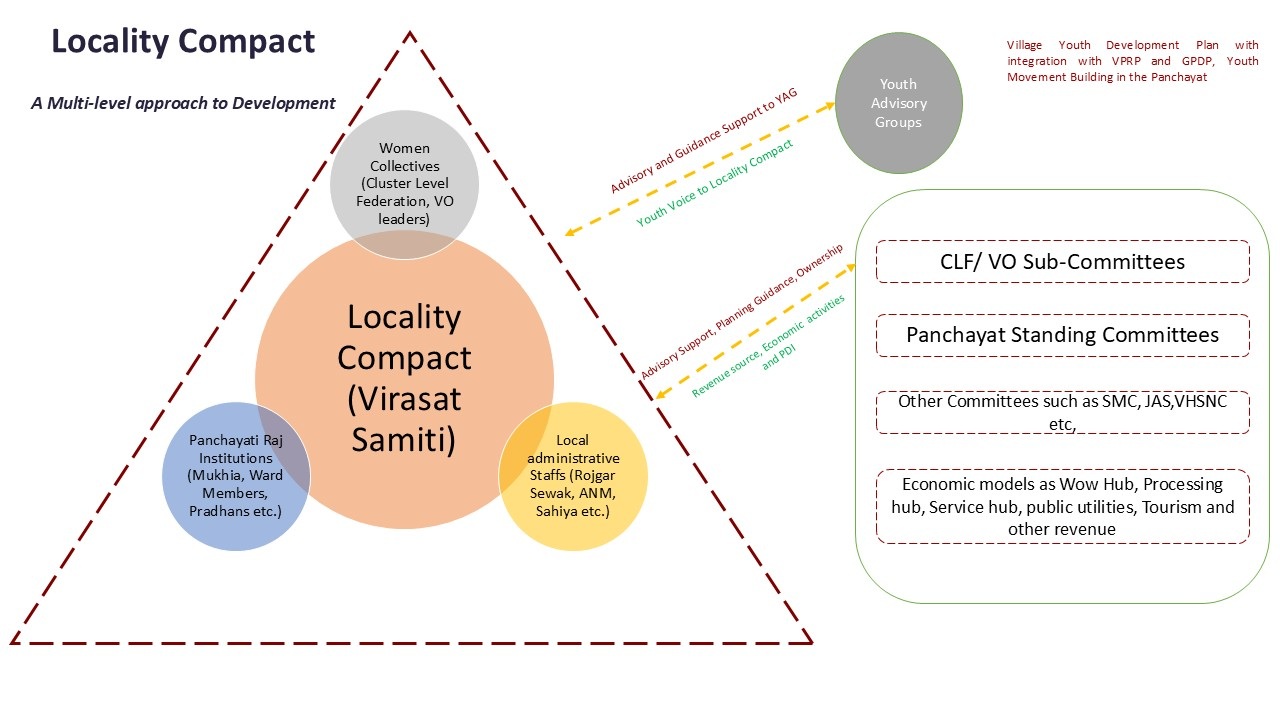
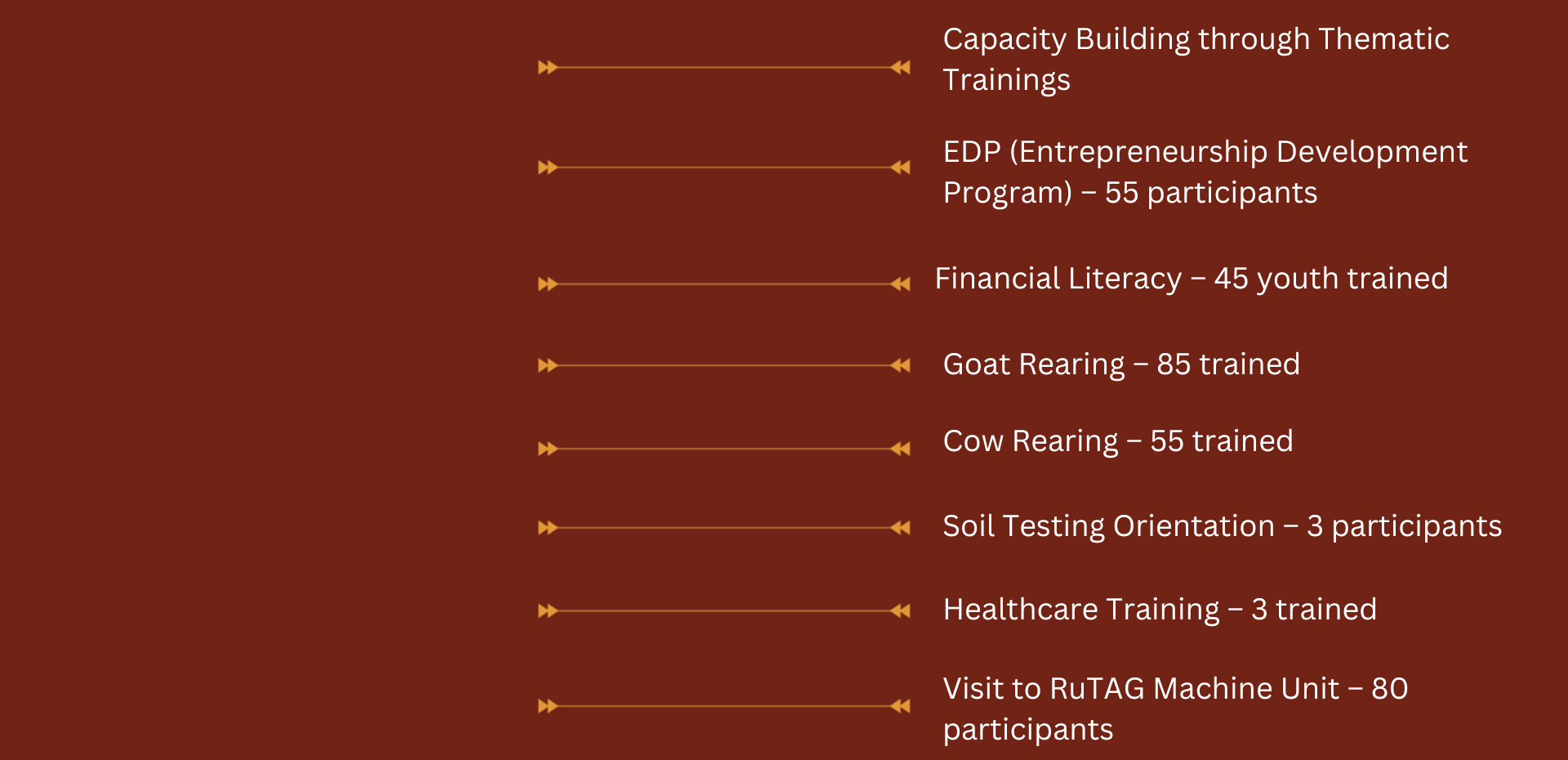
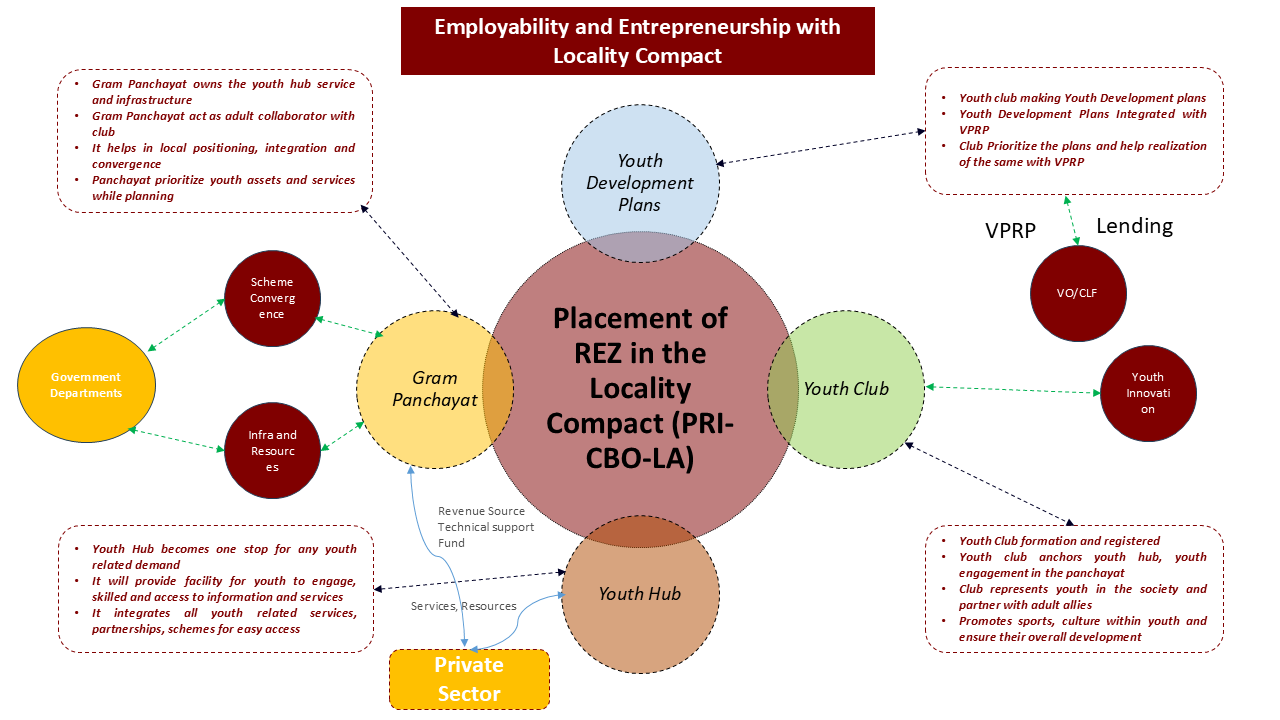
The Locality Compact is a multi-level development model designed to enhance institutional capacity, governance, and public investment in rural areas. It strengthens Panchayat-level governance by activating CLF and Village Organization (VO) sub-committees, forming Youth Advisory Groups (YAG), and fostering collaborations with organizations like IIT RuTAG and ICICI Foundation. Planning processes are integrated through the Village Prosperity & Resilience Plan (VPRP), aligning with GPDP and forming cross-sector partnerships. Women-led CLFs manage rural enterprises, integrating over 2,650 women into government schemes, while structured youth skilling and enterprise programs engage 150+ young individuals. Inclusive economic planning is institutionalized through the Jonha Wow Hub, with Panchayat Committees playing an active role. Government schemes like MGNREGS and NRLM converge with private-sector partnerships to expand market opportunities. Infrastructure projects include a 50KW solar power station, a youth-focused community center, sanitation units, solar irrigation systems, and agri-processing hubs. Financial sustainability is boosted with 1,500+ government-supported financial inclusions, skill development for 80+ youth, and peer-to-peer lending for aspiring entrepreneurs. Primary sector improvements have benefited 900+ households through agriculture intensification, while secondary and tertiary sector expansions have supported 45 entrepreneurs with business incubation, wow hubs, digital training, and financial literacy programs.

PROSPEROUS MANY – JONHA PANCHAYAT GROWTH CLUSTER

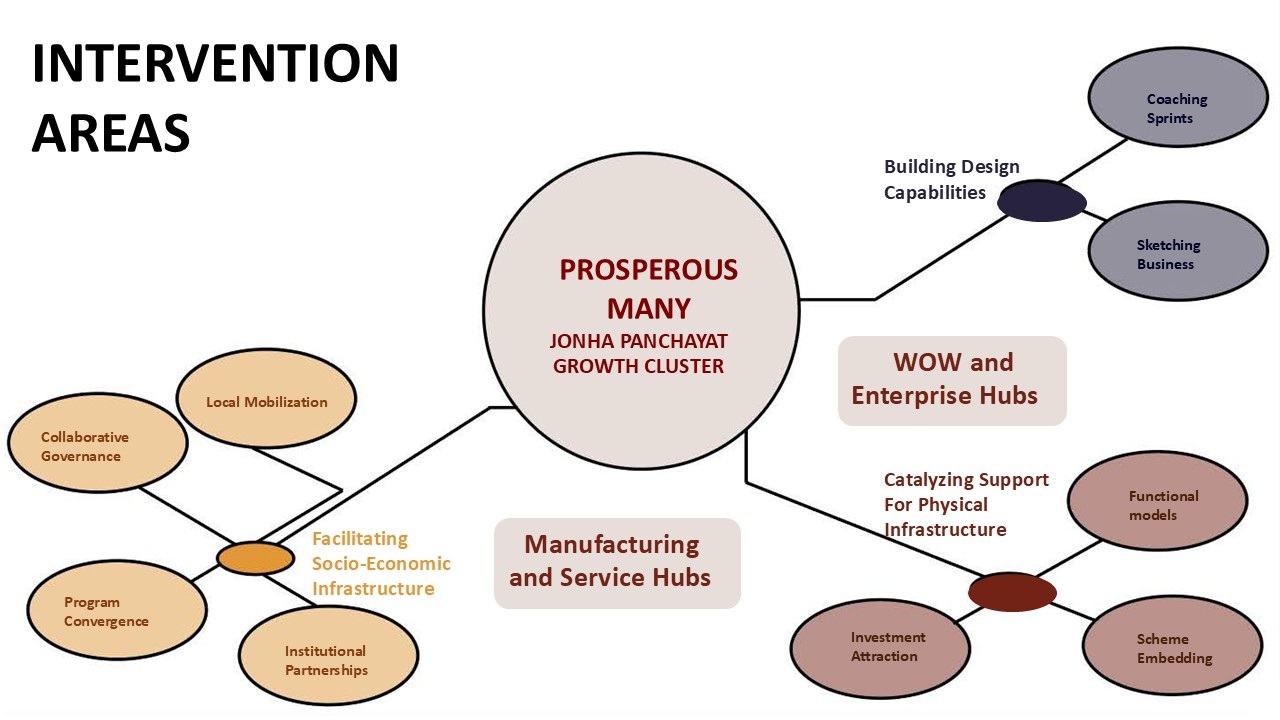
The Prosperous Many framework integrates infrastructure, governance, and market-driven solutions to enhance Jonha’s socio-economic development. It strengthens agri-livelihoods by establishing Mini Grameen Marts for SHG women, training farmers in high-value agriculture and organic farming, and planning a Bio Resource Centre for organic production under "Jonha Jaivik." The entrepreneurial ecosystem expands with 45+ entrepreneurs in secondary and tertiary sectors, digital platform integration, and six operational manufacturing units, focusing on tech, health, agri, green, and tourism-based enterprises. Workforce development initiatives enroll 80+ youth in skill programs, support 900+ farmer families in improved farming, and provide trade-specific training in mobile repair, hospitality, healthcare, and textile sectors. Economic infrastructure grows with Processing and Service Hubs, multi-use community assets, and sustainable resource management through water conservation and solar power projects. Human-centered design is institutionalized through workshops for SHG women and entrepreneurs, participatory planning in the Village Prosperity & Resilience Plan, and stakeholder training in digital governance, data tracking, and financial management.

PROGRESS IN JONHA

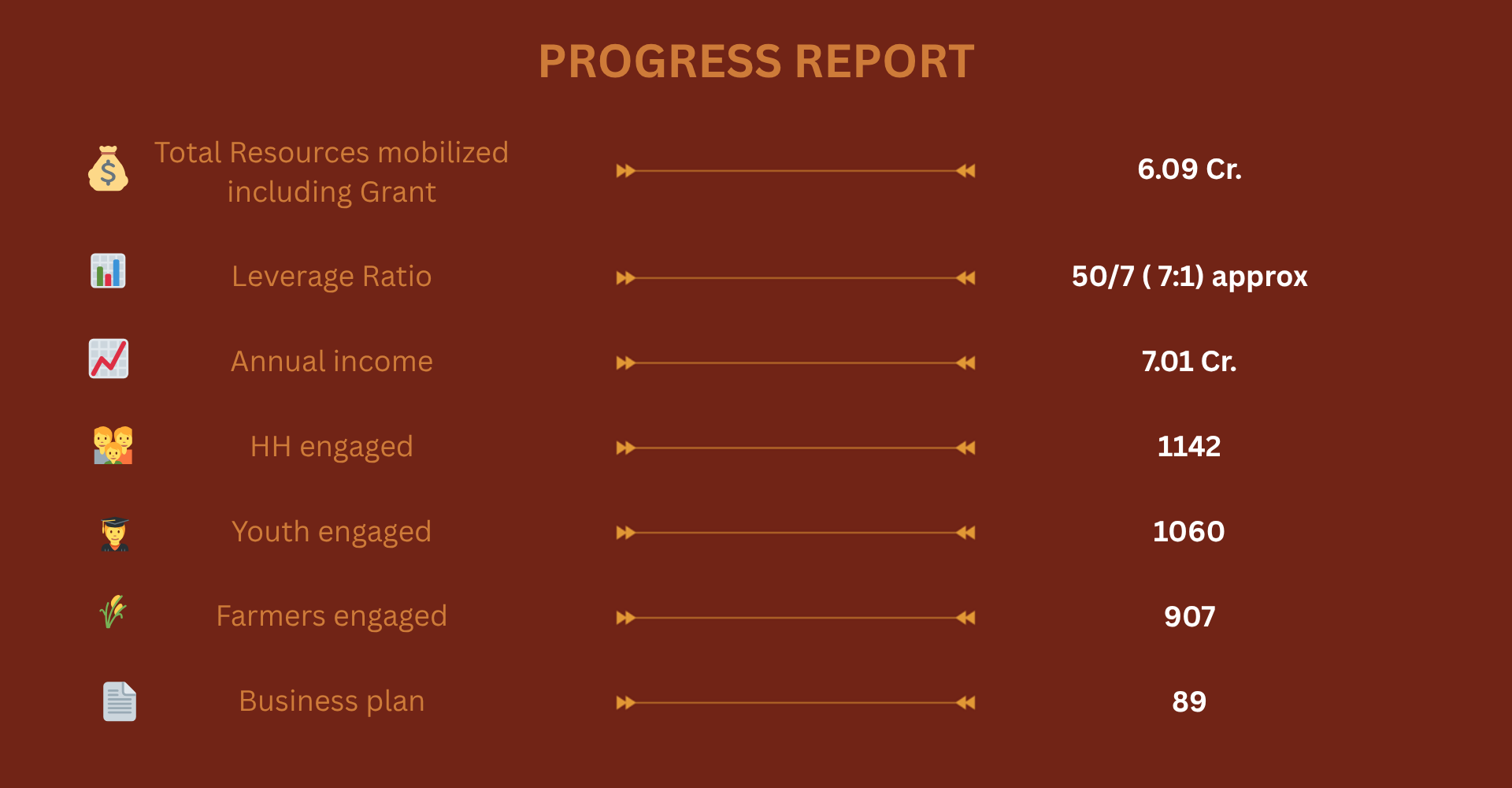
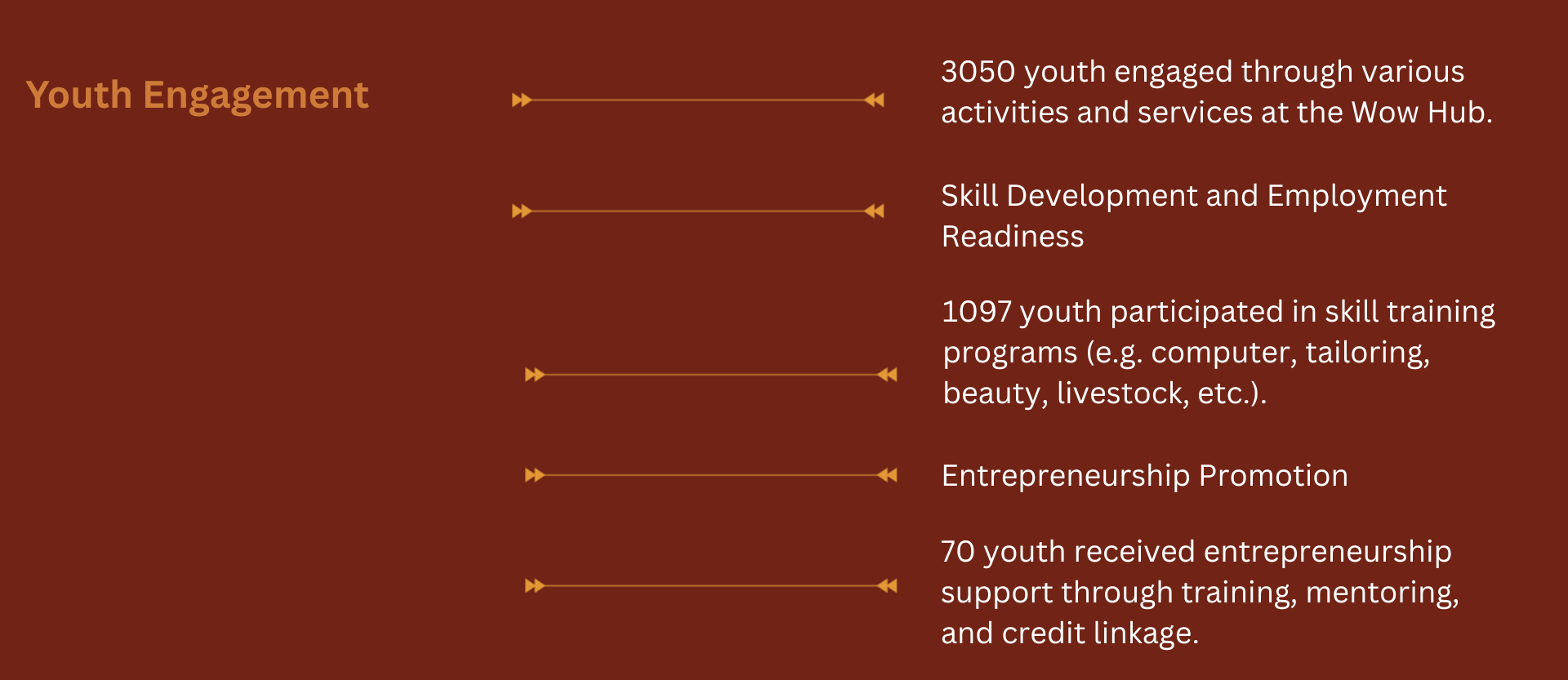
Through mobilization camps across villages, motivational dialogues in community hubs, and enterprise boot camps for aspiring entrepreneurs, the initiative has engaged 1,060 youth from the locality. Of these, 72 youth have been supported for enterprise development, with 56 connected to credit and capital linkages. This represents more than individual business creation; it illustrates the development of an entrepreneurial ecosystem where peer learning, mentorship, and institutional support create ongoing opportunities for economic engagement.

Social Infrastructure:
Building Backbone for Change

The social infrastructure in Jonha Panchayat’s Rural Economic Zone (REZ) initiative is designed to empower communities by strengthening institutional frameworks, fostering collaborative governance, and enhancing local capabilities. By integrating self-help groups (SHGs), youth clubs, and multi-stakeholder platforms like the Virasat Samiti, the initiative prioritizes bottom-up planning and collective agency. This approach ensures that development is not only participatory but also sustainable, bridging gaps between government schemes, private sector partnerships, and grassroots innovation. Through targeted capacity-building, digital access, and inclusive decision-making, the social infrastructure lays the foundation for equitable growth—transforming Jonha into a model of community-driven prosperity.

Physical Infrastructure:
Powering Rural Transformation

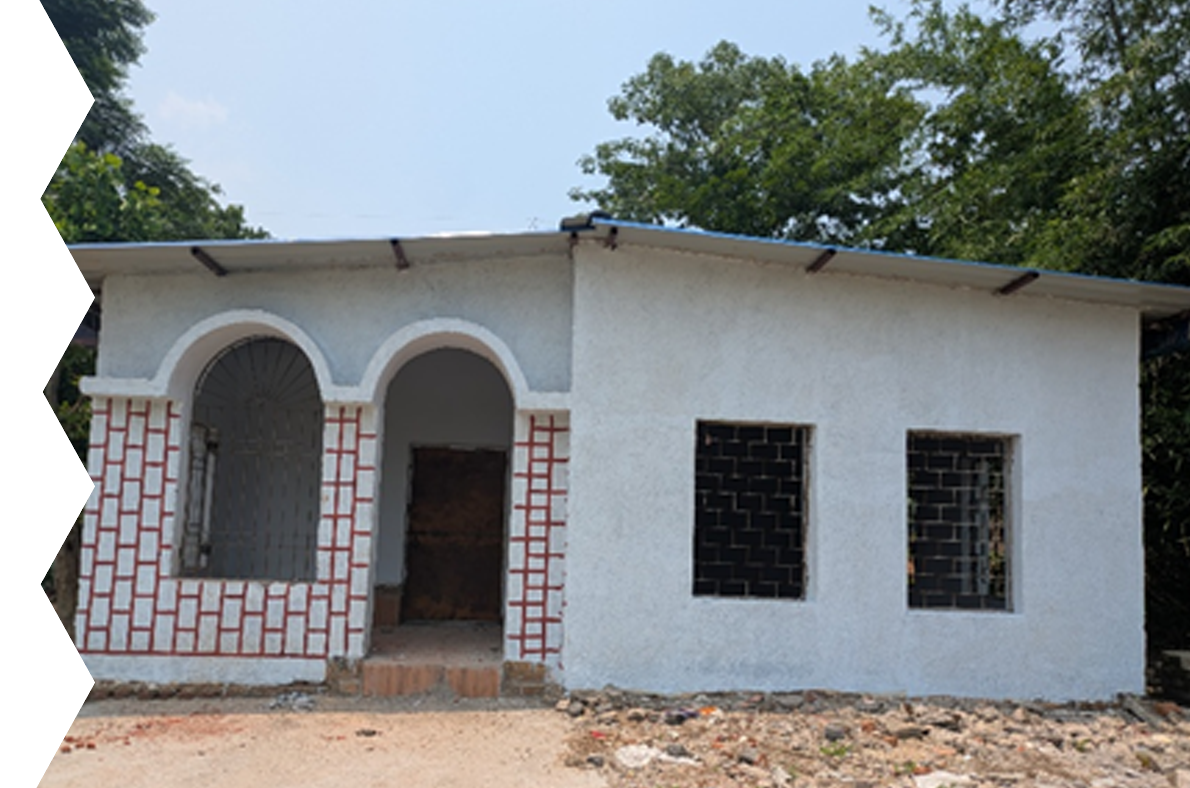
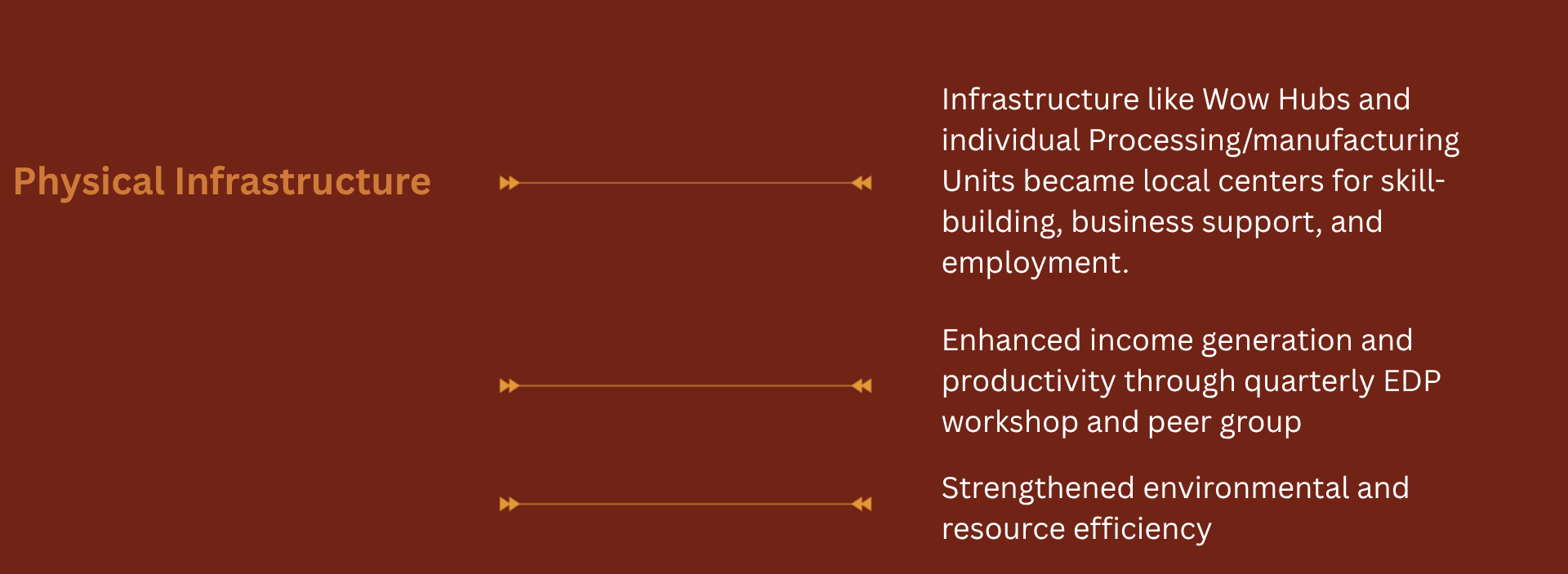
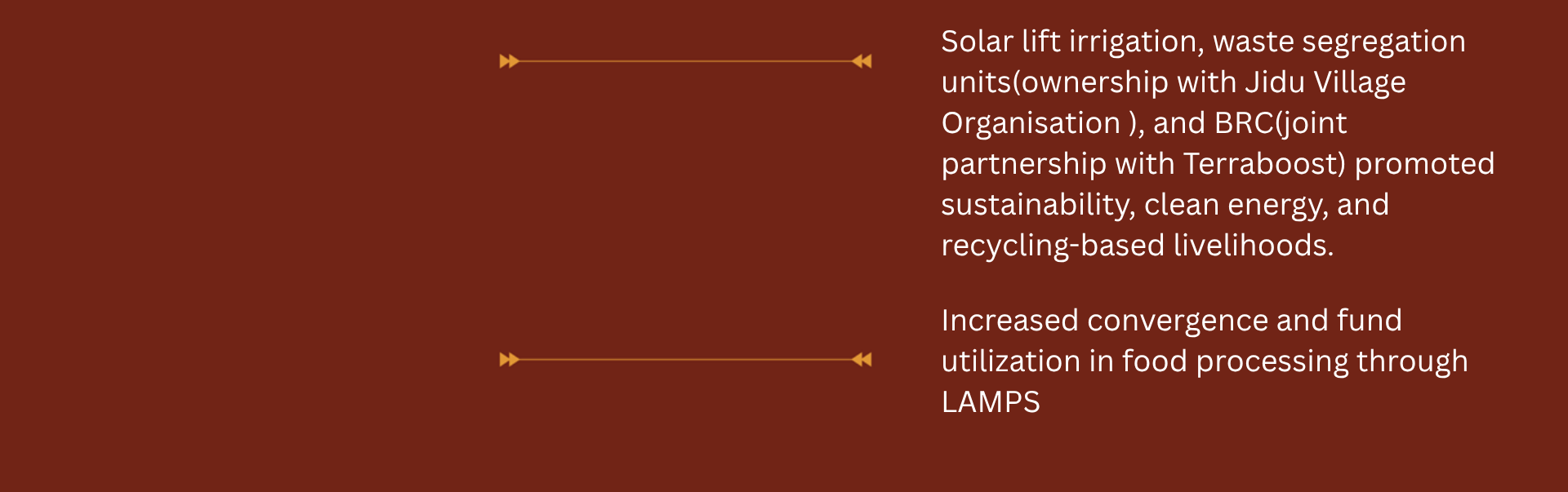
Jonha's REZ is revolutionizing rural development through strategic infrastructure investments. Modern agro-processing units now enable local value-addition for crops like millets and lac, boosting incomes. The waste-to-wealth ecosystem features segregation plants and bio-fertilizer units that clean the environment while creating livelihoods. At the Yuva Compass Hub, digital infrastructure provides critical access to technology and skill development. For tourism, community-built facilities including homestays, food stalls, and trekking routes capitalize on Jonha Falls' natural beauty. These components work synergistically - processing units supply local cafes, tourism creates markets for artisans, and digital access connects entrepreneurs to wider markets. The infrastructure prioritizes sustainability, using renewable energy and eco-friendly designs. This integrated approach transforms physical assets into economic engines, demonstrating how smart rural infrastructure can uplift entire communities while preserving their ecological and cultural heritage.

Economic Diversification:
Building a Multi-Sector Rural Economy

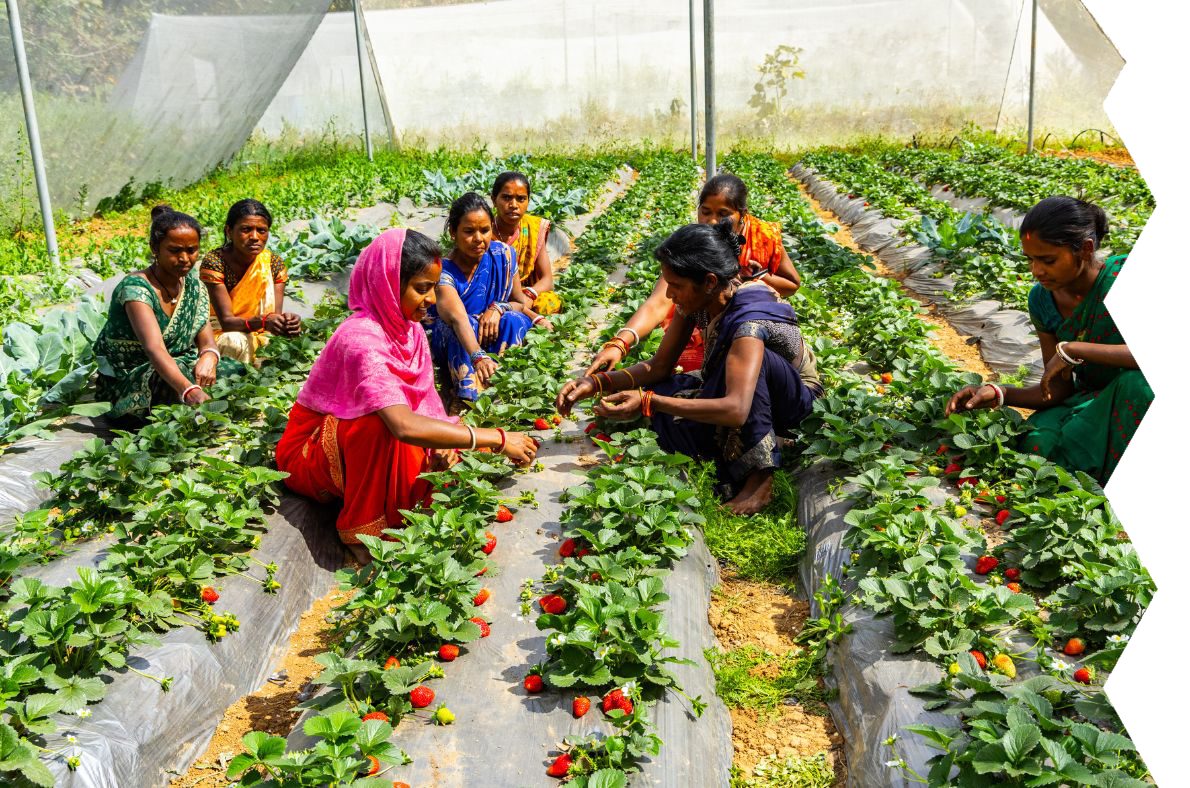
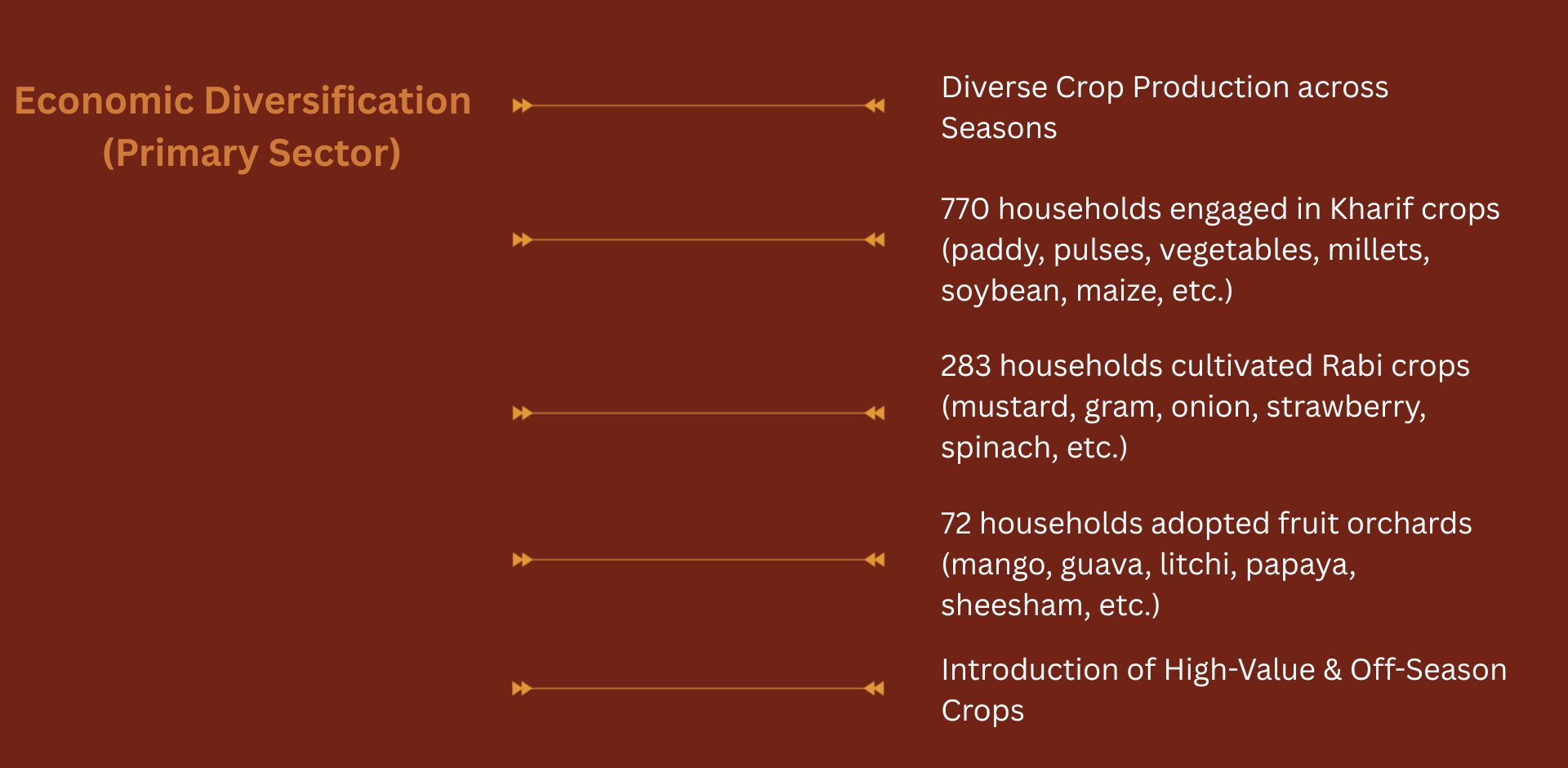
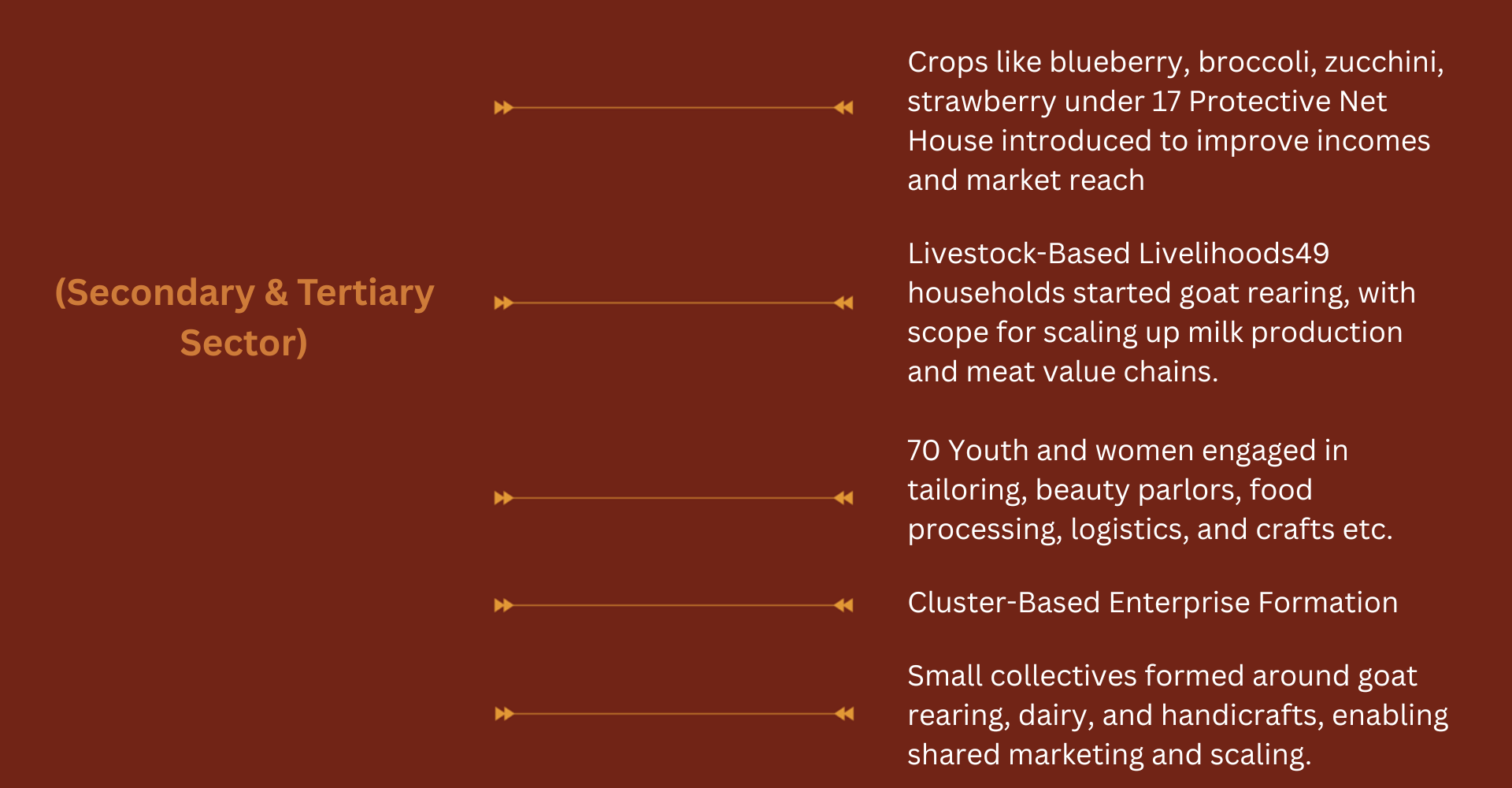
Jonha's REZ is driving economic diversification to move beyond traditional farming and create resilient livelihoods. The initiative has established high-value agriculture (mango, dairy, goat clusters), food processing units (puffed rice, pulses), and craft enterprises (lac, Sal leaf products). Simultaneously, it's boosting the service sector through eco-tourism (homestays, trekking guides), digital hubs, and tailoring clusters, while promoting a green economy via waste recycling and organic fertilizer production. This multi-pronged approach has enabled 1,141 households to develop at least three income streams, significantly reducing economic vulnerability and seasonal migration. By interlinking primary, secondary and tertiary sectors, the REZ model is transforming Jonha into a self-sustaining rural growth hub.

Youth Engagement (WoW Hub)

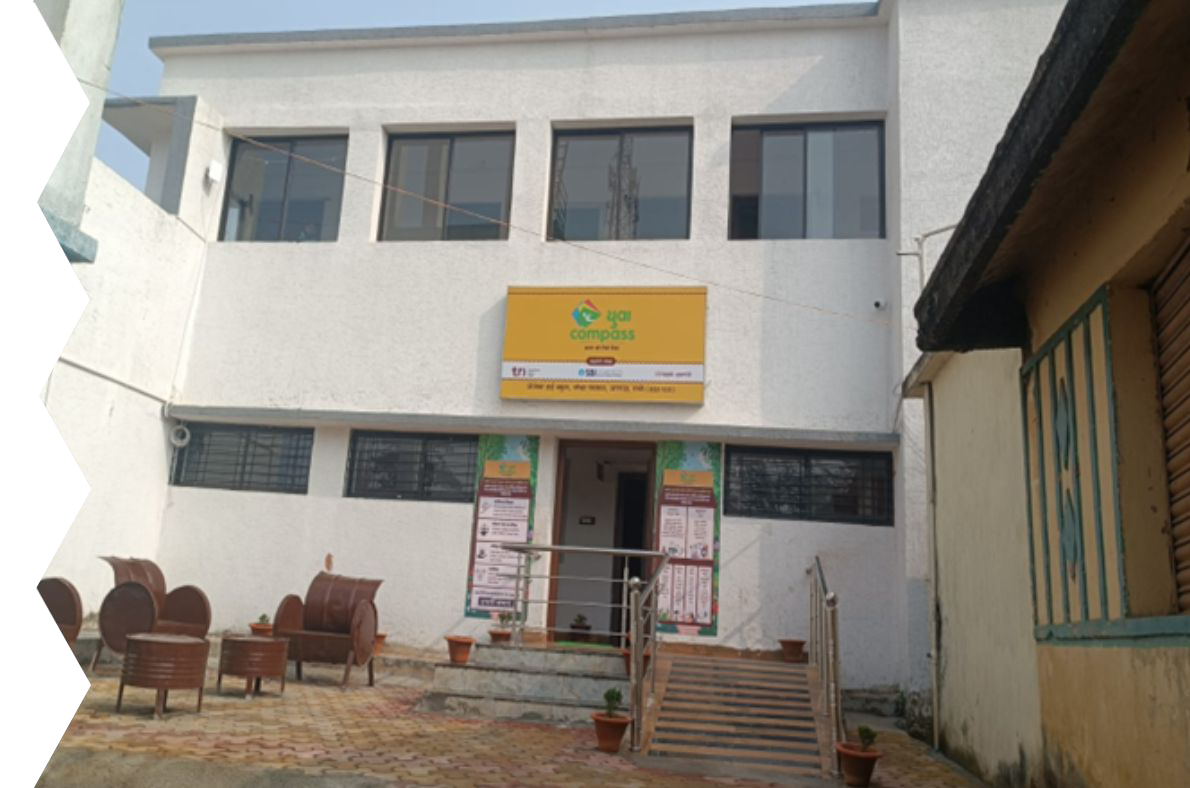
The Yuva Compass Hub has emerged as Jonha's vibrant nerve center for youth empowerment. This dynamic space offers career counseling with psychometric assessments, entrepreneurship training, and digital skill development programs. Young villagers access cutting-edge resources like computer labs while connecting with mentors and peers. The hub's innovative design - featuring co-working spaces, a small library, and discussion areas - was co-created by youth themselves through the Youth Advisory Group. Regular farmer-entrepreneur meets bridge generations, allowing traditional knowledge to merge with new business ideas. Beyond skills training, the hub fosters leadership development and community engagement, preparing youth to actively participate in local governance. Its success lies in blending modern opportunities with grassroots relevance - whether launching a tech startup or improving agricultural practices. This youth-owned space is transforming aspirations into tangible outcomes across Jonha.

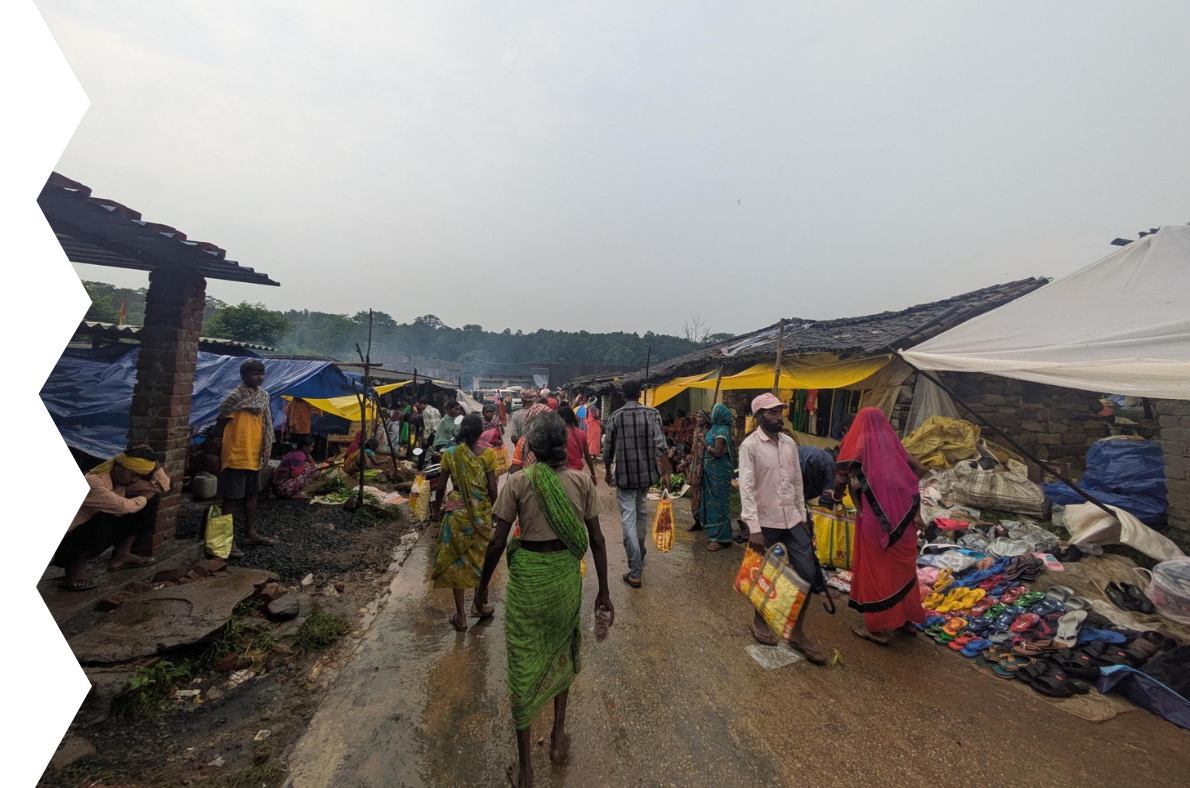
Jonha Market Place

  1. Local Produce and Fresh Goods
    • The market is known for selling fresh vegetables, fruits, and grains sourced directly from nearby villages.
    • Organic and seasonal products are common, making it a great place for healthy and natural food options.
  2. Handicrafts and Artisanal Products
    • Local artisans sell handmade bamboo crafts, clay pots, and tribal jewelry, which reflect the region’s heritage.
    • Tourists visiting Jonha Falls often stop by to buy souvenirs and traditional items.
  3. Essential Goods and Daily Needs
    • The market has small shops selling clothing, household items, and groceries.
    • Street vendors offer local snacks, tea stalls, and sweets, adding to the lively atmosphere.

Tourism

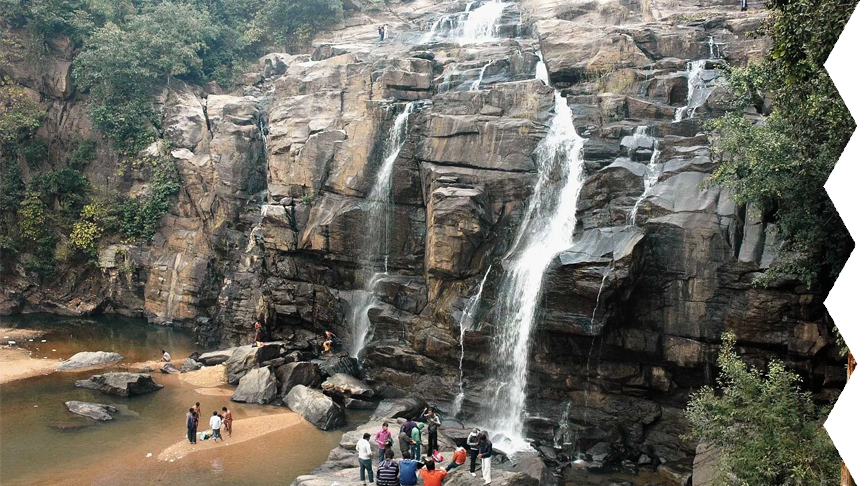
Jonha, a serene destination in Jharkhand, is a nature lover’s paradise, best known for the breathtaking Jonha Falls, also called Gautamdhara Falls. Nestled amidst lush green hills and rocky landscapes, this cascading waterfall attracts tourists seeking peace, adventure, and natural beauty. The site holds religious significance as well, with a Buddhist temple and ashram near the falls, adding a spiritual touch to the experience. Visitors can enjoy trekking, picnicking, and soaking in the scenic beauty, making Jonha an ideal weekend getaway. The region is also home to rich tribal culture, reflected in its local markets, festivals, and handicrafts. With improved connectivity and growing interest in eco-tourism, Jonha has the potential to become a major tourist destination in Jharkhand, offering a blend of nature, adventure, and cultural heritage. 🌿🏞️

PLANS FOR JONHA

Jonha Panchayat has made significant strides in becoming a rural economic hub through institutional capacity-building, livelihood diversification, and youth engagement. Moving forward, the focus will be on scalability and sustainability through strategic priorities such as attracting private sector investment and CSR funding, expanding digital literacy and market integration, and institutionalizing local economic governance. A long-term monitoring framework will be implemented for data-driven decision-making, while economic activities across primary, secondary, and tertiary sectors will be deepened to boost household income and Panchayat GDP. Additionally, the development of a Rural Growth Centre will enhance market accessibility and position Jonha’s produce through a market-centric approach and rural tourism opportunities. Lastly, a multi-pronged strategy will address challenges in engaging rural youth in governance and career-oriented initiatives, ensuring sustained progress.